If you've searched for "is iptv lega", you're probably wondering whether IPTV is legal in the United States. The short answer is yes: IPTV technology is legal, but the legality of a particular service depends on its content rights and how it operates.
IPTV has changed how people watch television. Instead of relying entirely on cable connections or satellite dishes, you can stream television channels and on-demand entertainment through an internet connection.
However, not every IPTV provider operates under the same licensing arrangements.
Some services have permission to distribute their programming. Others may offer copyrighted television channels, movies, or sporting events without authorization.
Understanding the difference helps you make informed decisions before paying for a subscription.
In this guide, you'll learn what IPTV means, how copyright laws apply, what makes a streaming service legitimate, and which warning signs deserve attention.
What Is IPTV and How Does It Work?
IPTV stands for Internet Protocol Television.
It describes a method of delivering television programming through internet protocol networks rather than traditional broadcasting systems.
With IPTV, television content reaches your device as digital data.
Depending on the service, you can watch live television, access on-demand programming, or replay previously broadcast shows.
How IPTV delivers television content
A typical IPTV system involves several components:
- A content provider supplies television programming or video.
- A distribution platform prepares and delivers the streams.
- An internet connection carries the data to your device.
- A compatible application or receiver displays the content.
The exact technology varies between providers.
Some services use managed television networks, while others deliver video through ordinary internet connections.
IPTV can support different viewing experiences, including live channels, video on demand, and time-shifted programming.
What devices support IPTV?
Depending on the provider and application, IPTV may work on:
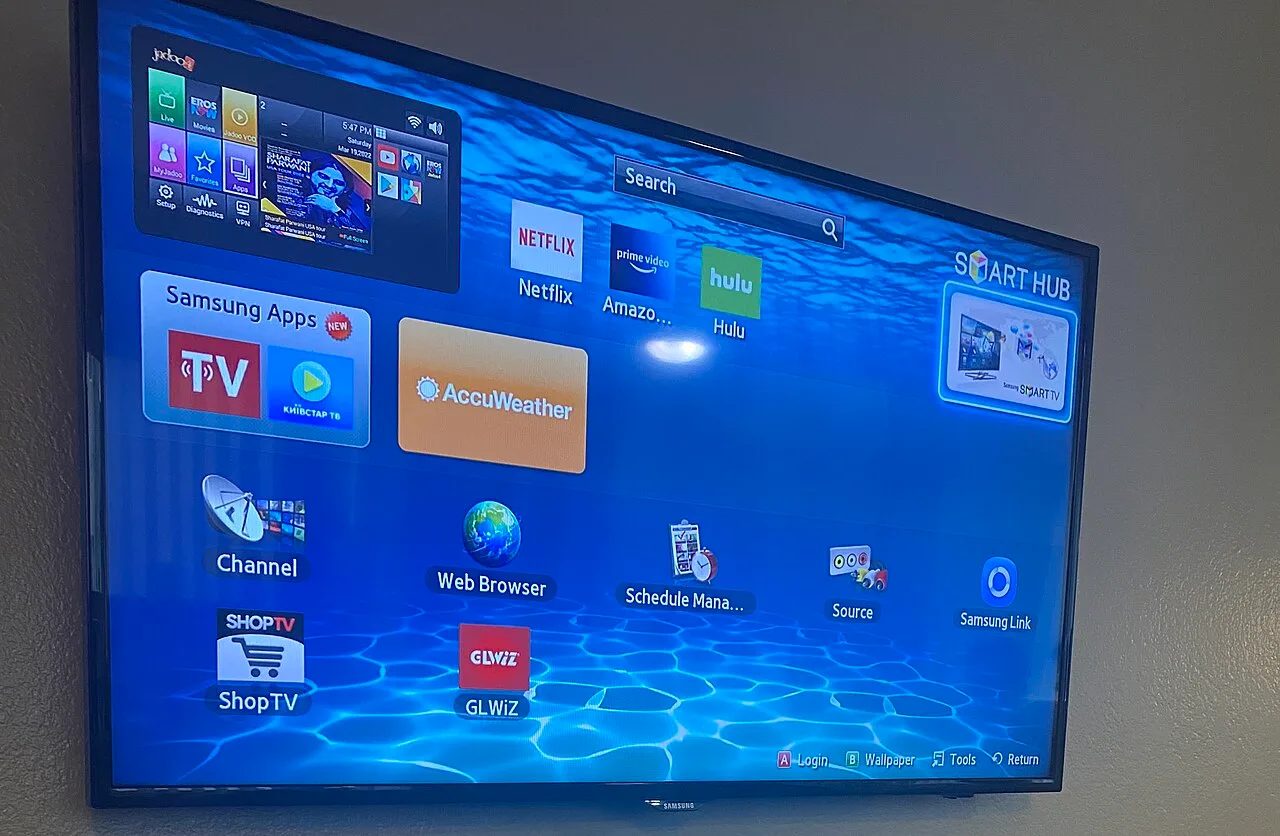
- Smart TVs from compatible manufacturers.
- Android TV and Google TV devices.
- Amazon Fire TV devices.
- Smartphones and tablets.
- Windows and macOS computers.
- Compatible streaming boxes and IPTV receivers.
Device compatibility does not establish whether a service is licensed.
A legitimate IPTV provider and an unauthorized provider might both offer applications for similar devices.
The important distinction is the right to distribute the content.
Is IPTV Lega in the United States?
The question "is iptv lega" is often intended to mean "Is IPTV legal?"
In the United States, IPTV technology itself is lawful.
There is no general federal prohibition against delivering television through internet protocol networks.
Major television companies and authorized streaming platforms use internet-based distribution to provide entertainment.
The legal questions arise when a service distributes copyrighted material.
When is IPTV legal?
IPTV services generally operate legally when they have the necessary rights to distribute their content.
For example, a provider might offer:
- Television channels under valid distribution agreements.
- Movies and television shows licensed for streaming.
- Public-domain programming.
- Original content created by the provider.
- Free-to-air content where retransmission is authorized.
A service may also need to comply with other applicable laws, including consumer protection and privacy requirements.
The fact that programming is available online does not automatically make it free to redistribute.
When can IPTV become illegal?
Legal problems can arise when providers transmit copyrighted programming without permission.
Examples include unauthorized redistribution of premium television channels, copyrighted movies, and exclusive sporting events.
A service cannot generally obtain distribution rights simply by purchasing an ordinary consumer subscription and sharing the resulting streams with customers.
Copyright owners often control how, where, and by whom their content can be distributed.
A provider that ignores those rights may face copyright infringement claims and other legal consequences.
For viewers, the legal consequences depend on the circumstances and applicable law.
Simply watching a stream is not legally identical to operating an unauthorized streaming business or distributing copyrighted content.
Still, using an unauthorized service can expose you to security, financial, and potential legal risks.

Understanding IPTV Copyright Laws in the USA
Copyright law plays a central role in determining whether an IPTV service operates legally.
In the United States, copyright protection is governed primarily by federal law.
The Copyright Act gives copyright owners exclusive rights over certain uses of their works.
Those rights can include reproduction, distribution, and public performance.
Television programs, films, and many live broadcasts may contain copyright-protected material.
Why streaming licenses matter
A streaming license is permission from an appropriate rights holder to use or distribute content under specified conditions.
Licenses may limit:
- Which programs a provider can distribute.
- Which countries or regions can receive the content.
- Whether live streaming or on-demand viewing is permitted.
- Which devices or platforms can access the programming.
- How long the distribution agreement remains valid.
For example, a company might hold rights to show a particular sporting event in one country but not another.
A service available in the United States therefore needs rights appropriate to its US distribution.
A license covering one channel does not automatically authorize an entire channel lineup.
What is the Digital Millennium Copyright Act?
The Digital Millennium Copyright Act, commonly called the DMCA, is an important part of US copyright law.
Among other provisions, it addresses technological protection measures and certain online copyright enforcement procedures.
The DMCA does not make all IPTV streaming illegal.
Instead, it provides legal mechanisms that may apply when copyrighted works are used without authorization.
For official information about copyright law and related protections, visit the United States Copyright Office.
This government resource explains copyright ownership, exclusive rights, and important aspects of US copyright law.
Are IPTV apps legal?
IPTV applications are not automatically illegal.
Many applications function as media players. They display streams or playlists supplied by a separate provider or user.
An application may support formats such as M3U playlists or Xtream-compatible connections.
These technical features do not prove that the underlying programming is authorized.
A media player can be used with licensed content or unauthorized streams.
Therefore, you should evaluate the content source separately from the application.
Legal IPTV vs. Unauthorized IPTV Services
When researching whether IPTV is legal, it helps to understand the differences between authorized and unauthorized services.
The following comparison highlights important characteristics.
| Feature | Authorized IPTV | Potentially unauthorized IPTV |
|---|---|---|
| Content rights | Has appropriate distribution permissions | May lack permission from rights holders |
| Channel availability | Depends on licensed agreements | May advertise channels without clear rights |
| Sports programming | Distributed under applicable rights | May retransmit exclusive events without authorization |
| Company information | Usually provides identifiable business details | May hide ownership or contact information |
| Subscription terms | Explains pricing, billing, and cancellation | May provide incomplete or unclear terms |
| Customer protection | Subject to applicable consumer laws | May offer limited accountability |
These are indicators, not a definitive legal test.
A professional website does not prove that a provider has licenses.
Similarly, a small provider is not automatically unlawful simply because it is less familiar.
Why low prices deserve closer examination
Some unauthorized IPTV services advertise extensive premium programming at unusually low prices.
Low pricing alone does not establish copyright infringement.
However, a service promising numerous expensive sports packages and premium channels without explaining its distribution rights deserves closer scrutiny.
Ask how the provider obtained permission to offer the programming.
If it cannot provide a credible explanation, consider another option.
Does a paid subscription make IPTV legal?
No.
Paying a subscription fee does not automatically make a streaming service legitimate.
A provider may charge customers while distributing copyrighted material without permission.
Likewise, a free service may be perfectly legal when its content is properly authorized.
The deciding factor is not whether the service is free or paid.
It is whether the provider has the necessary rights to offer the programming.
How to Check Whether an IPTV Provider Is Legitimate
Before purchasing any IPTV subscription, spend a few minutes evaluating the provider.
You do not need advanced technical knowledge to identify common warning signs.
1. Research the company
Look for identifiable business information.
A provider should make it reasonably easy to understand who operates the service and how customers can contact it.
Check whether the website includes clear terms, privacy information, and customer support details.
A company name or registration does not independently prove content licensing, but transparency is useful.
2. Ask about content licensing
This is one of the most important steps.
Ask whether the provider has authorization to distribute the channels, movies, and sports programming included in its packages.
A credible response should explain the source of the programming rights without relying on vague promises.
Providers may have confidentiality obligations under commercial agreements, so they might not publish every contract.
Nevertheless, unsupported claims of legality should not be treated as proof.
3. Review subscription conditions
Read the terms before paying.
Check for information about billing periods, renewals, cancellation procedures, and refund eligibility.
Understand whether the subscription includes the programming you actually want.
Avoid assuming that every advertised feature is available on every device.
4. Examine payment security
Use payment methods that provide appropriate security and consumer protections.
Be cautious when a provider insists on irreversible transfers or unusual payment arrangements.
Never share unnecessary personal information.
A secure checkout helps protect your payment details, although it does not establish content licensing.
5. Verify channel claims
Compare the provider's channel lineup with official information from broadcasters or rights holders.
Be especially careful with exclusive sports packages and recently released movies.
Some content is restricted by territory or distribution agreement.
If an offer seems inconsistent with known exclusive rights, investigate further.
6. Look beyond customer reviews
Reviews can provide useful information about reliability and customer support.
However, positive reviews do not demonstrate that a streaming provider holds valid distribution licenses.
Customer experiences and legal authorization are separate considerations.
Use reviews as one source of information rather than your only verification method.

Is IPTV Safe to Use?
IPTV safety depends on the provider, the software, and how you access the service.
Licensed services with established security practices can offer a convenient viewing experience.
Unverified services may create additional risks.
Malware and suspicious applications
Some IPTV websites direct users to download applications from unfamiliar sources.
These downloads may contain malicious software or request unnecessary permissions.
Protect yourself by using reputable application stores and checking the developer's identity.
Keep your television, streaming device, and applications updated.
Avoid installing software that requires disabling important security protections without a compelling reason.
Personal information and payment risks
Streaming subscriptions sometimes require account information and payment details.
Before submitting those details, review the provider's privacy practices.
Be careful with websites that collect more personal information than necessary.
Use strong passwords and avoid reusing credentials from important accounts.
Service interruptions
Unauthorized streaming services may disappear or lose access to channels without warning.
Some are subject to enforcement actions, infrastructure shutdowns, or changes in their content sources.
Even authorized streaming platforms can experience technical interruptions.
However, unclear licensing arrangements can create additional uncertainty about long-term access.
Does a VPN make IPTV legal?
A virtual private network, or VPN, can encrypt traffic between your device and the VPN provider.
It may improve privacy in certain situations.
However, using a VPN does not give an IPTV provider distribution rights.
It also does not automatically make unauthorized streaming lawful.
Privacy technology and copyright authorization are different issues.
Is IPTV Legal for Sports, Movies, and Live TV?
The legality of IPTV does not depend solely on the type of entertainment being streamed.
It depends on whether the content is distributed with appropriate permission.
Live television channels
Live television can be delivered legally over the internet.
Many broadcasters and authorized television distributors use internet streaming technology.
A provider offering live channels should have the rights necessary for its distribution model.
Movies and television series
Movies and series are commonly protected by copyright.
Authorized on-demand services obtain rights to offer specific titles.
Those rights may change over time or vary by geographic region.
A movie being available on one platform does not mean every IPTV provider can legally stream it.
Live sports and pay-per-view events
Sports rights can be particularly complex.
Different organizations may control broadcasting and streaming rights for different competitions and territories.
An IPTV service offering a premium sporting event must have the appropriate authorization.
A service that advertises every exclusive sports package without a credible explanation of its rights warrants additional investigation.
International television channels
International programming can also be offered legally through IPTV.
However, international availability does not remove territorial licensing requirements.
A channel authorized for distribution in Europe may require separate permission for US viewers.
Always consider the region covered by the provider's content agreements.
How to Choose an IPTV Subscription Responsibly
Once you understand the legal basics, you can evaluate IPTV services more confidently.
Your goal should be to find a service that matches your viewing needs while respecting content rights.
Start with your viewing preferences
Think about what you actually watch.
Do you prefer local news, live sports, international television, movies, or on-demand entertainment?
A smaller, properly licensed channel package may be more useful than an enormous lineup you rarely watch.
Make a short list of your preferred programming before comparing subscriptions.
Confirm device compatibility
Check whether the provider supports your television or streaming device.
Some platforms require a dedicated application.
Others may support browser playback or compatible third-party media players.
You can also review the IPTVUSAX setup guide for TV, mobile, and PC for general device setup information.
Remember that compatibility and licensing are separate questions.
Compare subscription details
Consider the following factors:
- Content authorization and regional availability.
- Supported devices and applications.
- Picture quality and connection requirements.
- Billing and cancellation terms.
- Customer support availability.
- Privacy and payment security.
- Clarity of service descriptions.
You can review the IPTVUSAX subscription options to explore the plans presented on the website.
Before purchasing, independently verify that the programming you want is appropriately licensed.
Test your internet connection
Streaming quality depends partly on your internet connection.
A stable connection is especially important for live television.
Higher-resolution video generally requires more bandwidth than lower-resolution streaming.
Network congestion, Wi-Fi interference, and device performance can also affect playback.
If possible, test your connection and device compatibility before committing to a long subscription.
Understand what you're buying
A subscription may provide access to an application, a television package, or a combination of services.
These are not necessarily the same product.
Read the service description carefully.
Make sure you understand which channels and features are included, how long access lasts, and what happens when the subscription ends.
Common Myths About IPTV Legality
Misunderstandings about IPTV can make it difficult to evaluate streaming services.
Here are several common claims worth examining.
Myth 1: All IPTV services are illegal
False.
IPTV is a delivery technology used by both licensed television distributors and other internet-based services.
The legal status depends on how the technology is used and whether the content is authorized.
Myth 2: IPTV is legal if you pay for it
False.
A payment does not grant a provider copyright permissions it does not possess.
Subscription fees and licensing rights are separate matters.
Myth 3: An IPTV player makes streaming legal
False.
Media players are tools.
They do not automatically verify the rights associated with every stream they display.
Myth 4: A VPN guarantees legal streaming
False.
A VPN does not change the copyright status of the programming.
It cannot substitute for valid distribution authorization.
Myth 5: IPTV is illegal because it uses the internet
False.
Delivering television through internet networks is not inherently unlawful.
The legal issues generally involve content rights, distribution practices, and other applicable laws.
What Should You Do If You're Unsure About an IPTV Service?
If you cannot determine whether a provider is authorized, avoid making assumptions.
Start by asking the provider specific questions about its content rights.
You can also check whether broadcasters and content owners identify the service as an authorized distribution partner.
Look for clear information about the company, subscription terms, and supported regions.
If important details remain unclear, consider choosing a service with more transparent licensing arrangements.
For complicated copyright questions, consult a qualified US legal professional.
This guide provides general educational information, not individualized legal advice.
Final Thoughts: Is IPTV Legal in the USA?
So, is iptv lega in the United States?
Yes, IPTV technology is legal. However, an IPTV subscription is not automatically lawful simply because it works, costs money, or uses a familiar application.
The essential question is whether the provider has permission to distribute the programming it offers.
By checking licensing, reviewing subscription terms, protecting your personal information, and choosing compatible devices, you can make a more informed decision.
Ready to explore IPTV options?
Visit the IPTVUSAX official website to learn about its available services, explore subscription information, and review setup guidance. Always confirm content authorization and service terms before subscribing.